
This ultimately affects the delicate balance that doctors hope to achieve while using blood thinners. Depending on how this interaction works, it could cause the blood to become too thin, creating a high risk for bleeding from minor injuries. It could also reverse the effects blood thinners and alcohol of the blood thinners, increasing the risk of dangerous conditions like heart attack or stroke. Of course, if you drink alcohol, drinking in moderation is always recommended. Over-imbibing can affect how quickly your blood clots and can increase your chances of falling.

Alcohol’s effect on the brain
If it blocks the blood flow to your brain, it can cause a stroke. The INR ensures that PT results obtained by different laboratories can be compared. It’s important to monitor the INR at least once a month and sometimes as often as twice weekly to make sure the level of warfarin remains in the effective range. If the INR is too low, blood clots will not be prevented, but if the INR is too high, there is an increased risk of bleeding. This is why those who take warfarin must have their blood tested so frequently. Ask your doctor if it’s safe for you to drink alcohol while taking blood thinners.
Girls are experiencing earlier and more irregular periods, study says
This makes it hard to predict exactly what will happen, but it increases the risk of either bleeding or clot-related problems. Alcohol can also increase the risk of injuries, which can bleed more easily while someone is on blood thinners. Ultimately, the safest approach is to consult with a healthcare professional who can provide personalized guidance based on one’s health status and the type of blood thinner medication being used. One of the functions of your liver is to break down alcohol and some medications. If your liver is busy working hard removing the alcohol instead of your blood thinner, the level of the drug in your blood will go up and raise your bleeding risk. Combine alcohol use and anticoagulants and there is an increased risk of bleeding.
Can you drink alcohol instead of taking a blood thinner?
Anticoagulants are a group of medications that see widespread use for a variety of reasons. They help prevent and treat clot-based health conditions like stroke and pulmonary embolism. While they’re extremely helpful, they also increase your risk of bleeding, so it’s important to talk with your healthcare provider about how to avoid severe bleeding if you’re injured. There are several risks related to mixing alcohol and blood thinners. Alcohol affects how well your blood clots, potentially negating the effects of the blood thinners or increasing them to a dangerous level. Further, alcohol can affect how long it takes for your body to process blood thinners.
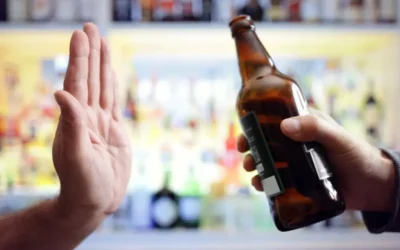
Blood Thinner Do’s and Don’ts – Everyday Health
Blood Thinner Do’s and Don’ts.
Posted: Wed, 07 Sep 2022 07:00:00 GMT [source]
- The process of blood clotting is very complex, with multiple chains of chemical reactions called the “clotting cascade” that must occur to develop a blood clot.
- Of course, if you drink alcohol, drinking in moderation is always recommended.
- Warfarin decreases the body’s ability to form blood clots by blocking the formation of vitamin K–dependent clotting factors.
- If you plan to travel abroad while on these medications, ensure you have an adequate supply for your stay.
